

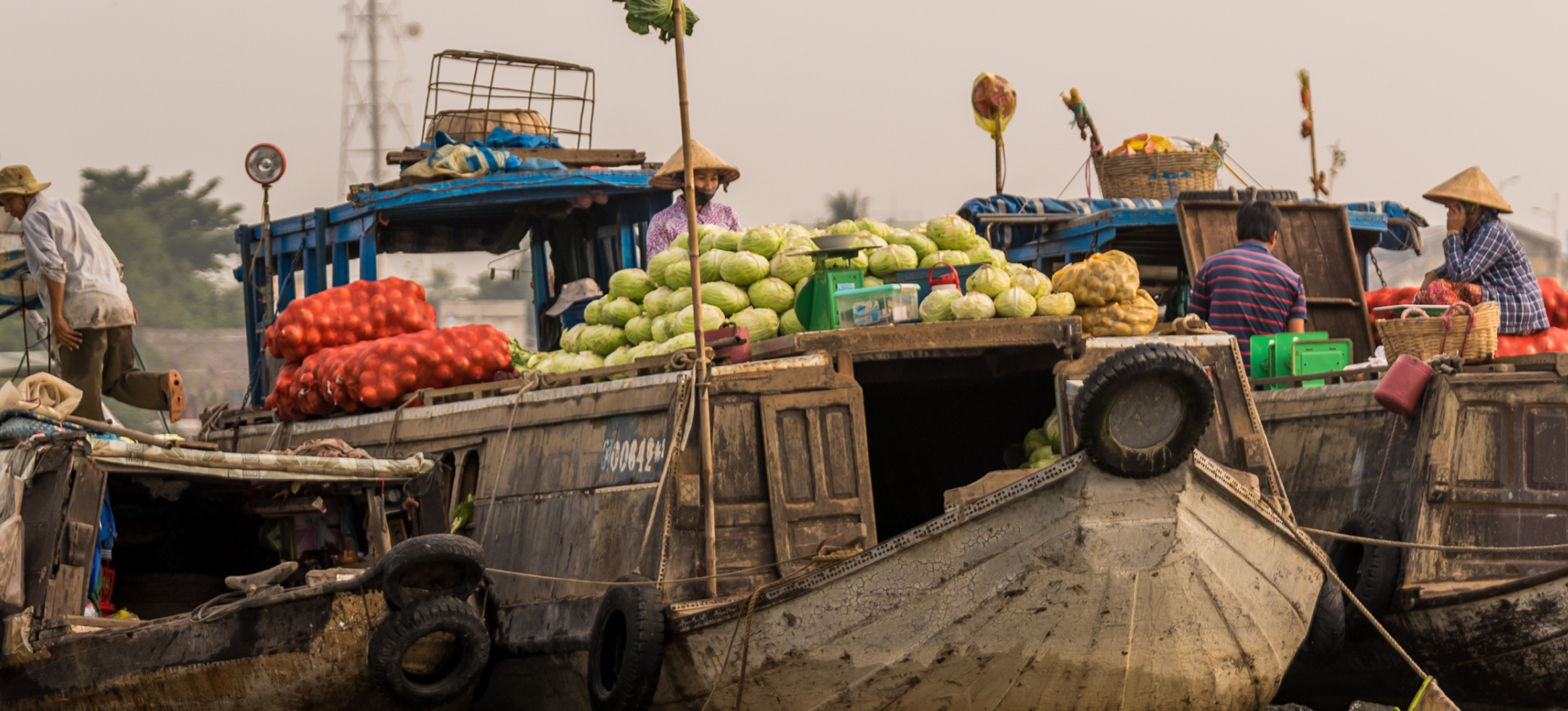
Places Must Eat in Saigon Ho Chi Minh City: Food Guide

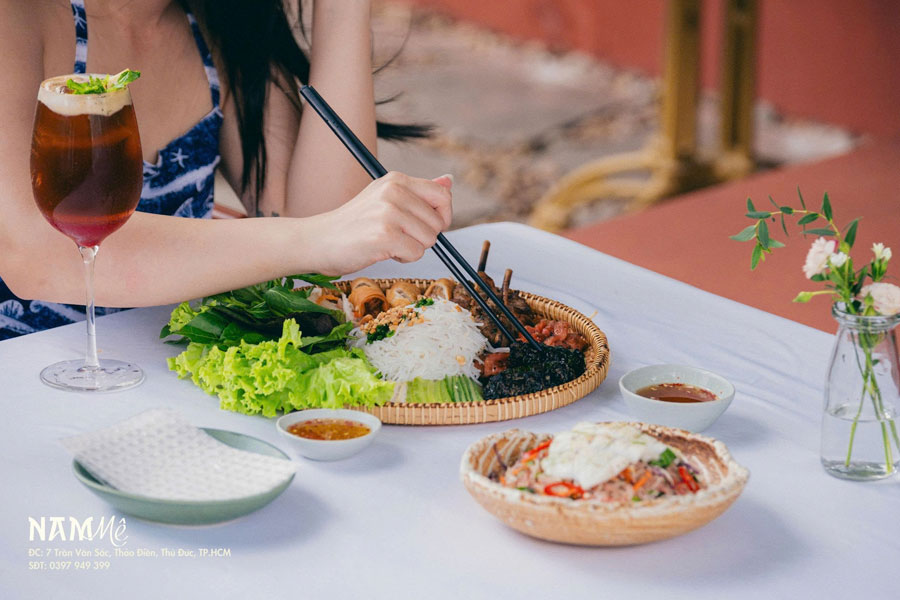
If you are looking for places must eat in Saigon Ho Chi Minh City, focus on experiences rather than chasing a long restaurant checklist. Start with street food and Southern Vietnamese classics, explore neighborhoods such as District 1, District 3 and Cho Lon, then save one evening for a more memorable sit-down dinner.
For travelers who want something beyond familiar city-center dishes, Nam Mê Kitchen & Bar offers a creative take on Mekong cuisine in a distinctive setting, making the restaurant a strong choice for a slower and more experience-focused meal in Ho Chi Minh City.
What Are the Food Experiences Visitors Should Not Miss in Saigon?
The most memorable meals in Saigon are rarely all the same style. A street-side breakfast shows the city at its busiest, a local lunch introduces everyday Southern flavors, while a shared dinner reveals the social side of Vietnamese dining.
Why Should a Saigon Food Journey Start With Breakfast?
Early morning is one of the best times to experience the city before the traffic and heat build. Phở, bánh mì and hủ tiếu are practical choices because each dish is easy to enjoy before a full day of sightseeing.
Breakfast also gives travelers a first look at everyday food culture. Small eateries fill quickly, coffee appears beside noodle bowls, and meals tend to be simple rather than ceremonial.
Which Southern Vietnamese Dishes Are Worth Trying for Lunch?
Cơm tấm, hủ tiếu and bún thịt nướng are useful starting points for understanding Southern Vietnamese cooking. These dishes often bring together grilled meat, herbs, pickled vegetables, rice or noodles and sauces with a sweet-savory balance.
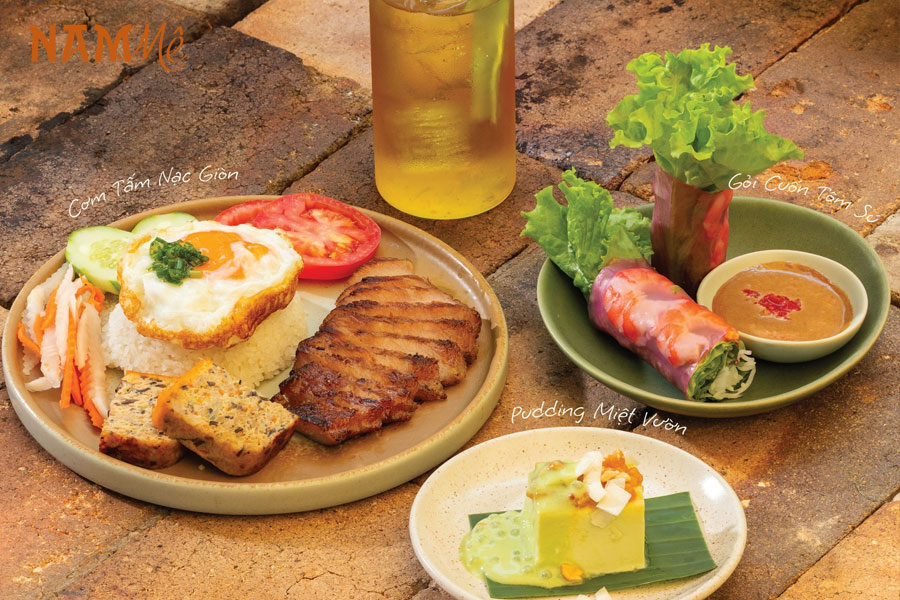
Taste Saigon through street food, local favorites and Mekong-inspired dishes
Lunch is also a good moment to move beyond the most tourist-heavy streets and visit a neighborhood where everyday dining is still part of the local rhythm.
Why Is a Shared Dinner Different From a Quick Street Meal?
Dinner in Vietnam is often better when the table is shared. Fish, vegetables, soup, rice, grilled dishes and salads can be ordered together, allowing everyone to taste more than one flavor.
This style of dining is particularly suitable for couples, families and groups because the meal naturally becomes longer and more social.
Which Areas of Ho Chi Minh City Are Worth Exploring for Food?
Saigon’s food scene changes from one neighborhood to another. District 1 is convenient for first-time visitors, District 3 feels more residential, Cho Lon introduces Chinese-Vietnamese influences, while Thao Dien and An Khanh are better suited to longer evening meals and destination restaurants.
What Makes District 1 Convenient for First-Time Visitors?
Ben Thanh Market, Nguyen Hue Walking Street and Dong Khoi Street make District 1 one of the easiest places to combine sightseeing with food.
Travelers considering where to eat in Ho Chi Minh City District 1 can treat each area differently: Ben Thanh for casual Vietnamese dishes, Nguyen Hue for coffee and central sightseeing, and Dong Khoi for a more relaxed dinner.
Why Is District 3 Worth Exploring for Local Food?
District 3 remains close to central Saigon but offers a calmer, more residential atmosphere. Older houses, tree-lined streets, cafés and casual restaurants make the area rewarding for travelers who want to see how locals eat away from major tourist attractions.
Anyone deciding where to eat in Ho Chi Minh City District 3 can look for cơm tấm, noodle dishes, bánh xèo and small Vietnamese eateries that work well for lunch.
What Makes Cho Lon a Different Food Stop?
Cho Lon, centered largely around District 5, reflects the long history of the city’s Chinese-Vietnamese community. Roast meats, dumplings, noodle soups, herbal drinks and market food create a noticeably different experience from central District 1.
Cho Lon is best treated as a neighborhood excursion rather than a single restaurant stop. Temples, markets and old commercial streets add cultural context to the food.
Why Is the Eastern Side of the City Better for a Longer Dinner?
Thao Dien and neighboring An Khanh have become attractive areas for travelers who want dinner to be the focus of the evening rather than another quick stop.
Those comparing where to eat in Thao Dien District 2 will find Vietnamese restaurants, international concepts and more experience-driven dining venues where design, drinks and atmosphere matter alongside the food.
What Vietnamese Dishes Should First-Time Visitors Try?
Visitors do not need to complete a long checklist. A few everyday dishes, some shared plates and one regional dining experience are enough to understand how varied Saigon food can be.
Which Everyday Dishes Give the Best Introduction to Saigon?
A simple starting list includes:
- Cơm tấm – broken rice often served with grilled pork
- Hủ tiếu – Southern-style noodles served dry or in broth
- Bún thịt nướng – rice noodles with grilled pork, herbs and fish sauce
- Bánh mì – practical for breakfast or a quick snack
- Phở – one of Vietnam’s best-known noodle soups
The goal is not to eat all five in one day. Spreading these dishes across different neighborhoods makes the experience more enjoyable.
Which Vietnamese Foods Work Better for Sharing?
Bánh xèo, fresh rolls, grilled fish, seafood, soups, salads and vegetable dishes work particularly well for groups. Sharing also allows travelers to explore stronger regional flavors without committing to one large individual dish.
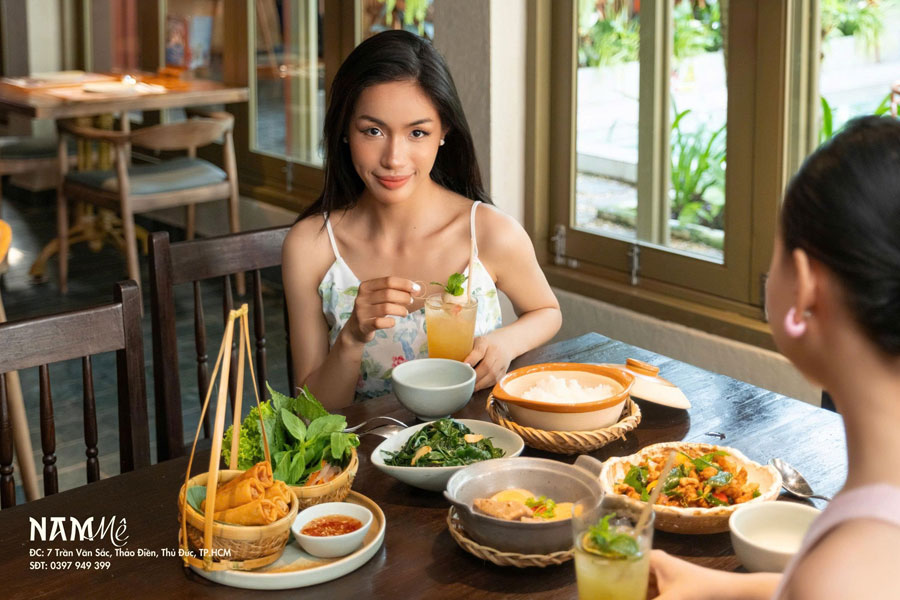
Discover the flavors that make Ho Chi Minh City worth eating through
This is where a restaurant meal begins to offer something street food cannot: more variety around one table and more time to enjoy each course.
Why Is Nam Mê Kitchen & Bar Worth Adding to a Saigon Food Itinerary?
Nam Mê Kitchen & Bar offers a more focused introduction to Mekong-inspired dining. The restaurant describes its cuisine as “Mekong Creation,” drawing inspiration from communities and food cultures along the river before reworking those ideas into contemporary dishes.
Rather than presenting only familiar tourist staples, Nam Mê Kitchen & Bar builds its identity around regional ingredients, shared dishes and flavors associated with Southern Vietnam and the wider Mekong region.
Which Dishes Help Express the Mekong Character of Nam Mê Kitchen & Bar?
Some dishes featured across the official Nam Mê Kitchen & Bar website include charcoal-grilled snakehead fish, fermented-fish hotpot, bánh xèo with shrimp and pork, water mimosa salad, fried elephant-ear fish and lotus stem salad with shrimp and pork. These dishes reflect the freshwater ingredients, herbs and shared-table traditions closely associated with Southern and Mekong cooking.
The menu also includes familiar homestyle references such as sour soup, braised dishes and regional salads. What makes the experience different is not simply the dish name, but the way Nam Mê Kitchen & Bar presents these flavors in a more contemporary restaurant setting.
Why Is Bánh Xèo a Good Dish to Share?
Bánh xèo works especially well at a group table because the crisp pancake, shrimp, pork, herbs and accompanying vegetables offer contrasting textures in one dish.
At Nam Mê Kitchen & Bar, bánh xèo fits naturally into a meal built around sharing. Pairing it with fish, salad, soup or another main course creates a broader introduction to Southern Vietnamese flavors than ordering a single plate alone. citeturn576453search0turn576453search3
Who Is Nam Mê Kitchen & Bar Best Suited For?
Nam Mê Kitchen & Bar works well for food-focused travelers, couples, families and groups who want a slower dinner after a day of sightseeing.
The restaurant’s concept is particularly relevant to visitors who have already tried phở, bánh mì and cơm tấm and now want to explore Mekong food through dishes such as grilled freshwater fish, bánh xèo, salads and hotpot.
How Should Travelers Choose Between Street Food and Restaurants?
Street food and restaurants serve different purposes, and a balanced trip should include both.
| Situation | Best choice |
| Quick breakfast | Street food |
| Everyday lunch | Local eatery |
| Afternoon snack | Market or café |
| Couple dinner | Sit-down restaurant |
| Family meal | Shared-table restaurant |
| Celebration | Restaurant with advance booking |
When Is Street Food the Better Choice?
Street food is ideal for breakfast, short lunches and snacks between attractions. Travelers can focus on busy stalls with steady customer turnover and freshly prepared dishes.
The experience is fast, informal and closely connected to everyday city life.
When Is a Sit-Down Restaurant Worth More Time?
A restaurant makes more sense for dinner, date nights, family meals and gatherings where conversation matters.
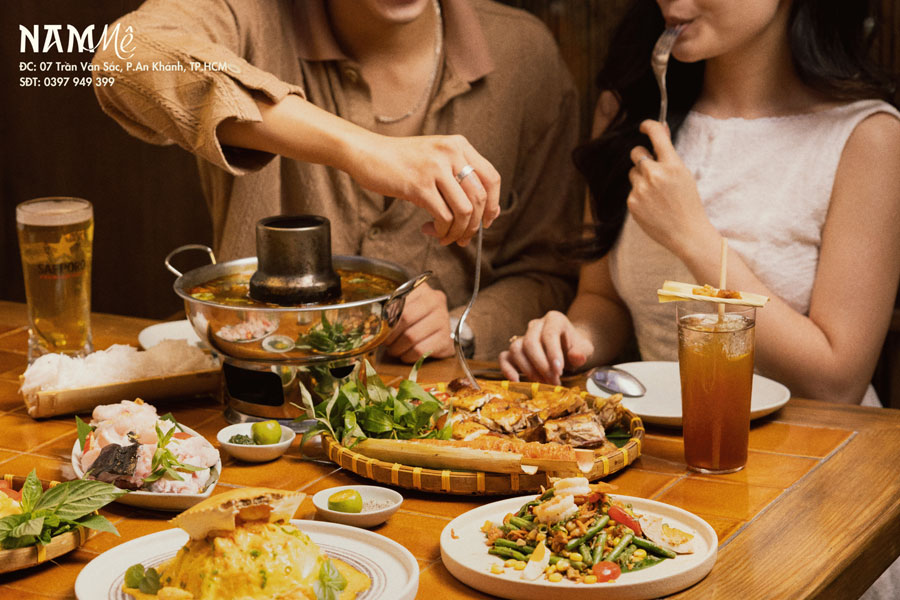
Enjoy a creative Mekong dining experience at Nam Mê Kitchen & Bar
Sit-down dining also allows travelers to explore shared dishes, regional ingredients and drinks in a way that is difficult during a quick street-food stop.
How Can Travelers Plan a One-Day Saigon Food Itinerary?
A good food day should include breaks between meals. Combining food with neighborhoods and sightseeing keeps the itinerary enjoyable rather than overwhelming.
| Time | Area | Food experience |
| Morning | District 1 | Phở or bánh mì |
| Late morning | Central Saigon | Vietnamese coffee |
| Lunch | District 3 | Cơm tấm or hủ tiếu |
| Afternoon | Cho Lon | Snack or herbal drink |
| Evening | An Khanh / Thao Dien area | Shared Mekong-inspired dinner |
When Does Nam Mê Kitchen & Bar Fit Best Into the Day?
Dinner is the most natural time to visit Nam Mê Kitchen & Bar because the restaurant’s shared dishes and Mekong-focused menu reward a slower meal.
For birthdays, group dinners or business gatherings, visitors can also explore the restaurant’s party booking service and arrange the dining setup in advance.
What Is the Best Way to Experience Food in Saigon?
The best food trip in Saigon is not the one with the longest list of restaurants. A more memorable itinerary combines a street breakfast, Southern Vietnamese lunch, neighborhood food stop, Vietnamese coffee and one shared dinner.
By moving between District 1, District 3, Cho Lon and the An Khanh–Thao Dien area, travelers can experience several sides of Ho Chi Minh City’s food culture. Ending the day at Nam Mê Kitchen & Bar also offers a chance to move beyond familiar staples and explore dishes inspired by the wider Mekong region.
FAQ
What Foods Should First-Time Visitors Try in Saigon?
Cơm tấm, bánh mì, hủ tiếu, phở and bún thịt nướng are good everyday starting points. Travelers should also try shared dishes such as bánh xèo, grilled fish, salads and hotpot to experience another side of Southern Vietnamese dining.
Which Area Is Best for First-Time Visitors?
District 1 is the most convenient starting point because food, cafés and major attractions are close together. District 3 offers a more local atmosphere, while Cho Lon is better for Chinese-Vietnamese food and neighborhood exploration.
Is It Worth Leaving Central Saigon for Dinner?
Yes. Moving beyond District 1 gives travelers access to quieter neighborhoods and more destination-style restaurant experiences. An Khanh and the wider Thao Dien area are particularly useful when dinner is meant to be the main activity of the evening.
What Makes Mekong Cuisine Different?
Mekong cuisine is closely connected to river life, freshwater fish, herbs, vegetables, fermented flavors and shared dishes. Southern Vietnamese favorites such as bánh xèo, grilled snakehead fish, salads and hotpot help illustrate this connection, while contemporary restaurants may reinterpret the same ingredients and traditions in new ways.
Nam Mê Kitchen & Bar – A Fun Taste of Mekong Cuisine
- Address: 07 Tran Van Sac Street (formerly Street No. 44), An Khanh Ward, Ho Chi Minh City
- Open Daily
- Monday to Friday: 8:00 AM – 2:00 PM, 5:00 PM – 10:30 PM (Closed from 2:00 PM to 5:00 PM)
- Saturday & Sunday: 8:00 AM – 10:30 PM
- Reservations: +84 39 794 9399

Chọn Mê kông là bến đỗ để tìm kiếm nguồn cảm hứng nguyên bản, Nam Mê làm bạn với người bản địa, hoà mình vào lối sống của miền sông nước, của những đồng bằng trù phú. Dòng Sông Mekong dài 4900km và chảy qua 6 quốc gia Việt nam, Lào, Campuchia, Thái Lan, Myanmar, Trung Quốc.
Menu ẩm thực của Nam Mê lấy cảm hứng từ bấy nhiêu quốc gia để sáng tạo các món ăn độc đáo. Như nhà thám hiểm ưa khám phá, gom tinh hoa thành khối sống căng tràn, mang trở về căn bếp để tạo ra những món ăn gửi tới thực khách – những người Nam Mê mong chờ được gặp mặt để gửi tới những món ăn đặc sắc.
