

What Food Do They Eat in Vietnam? A Guide to Vietnamese Cuisine

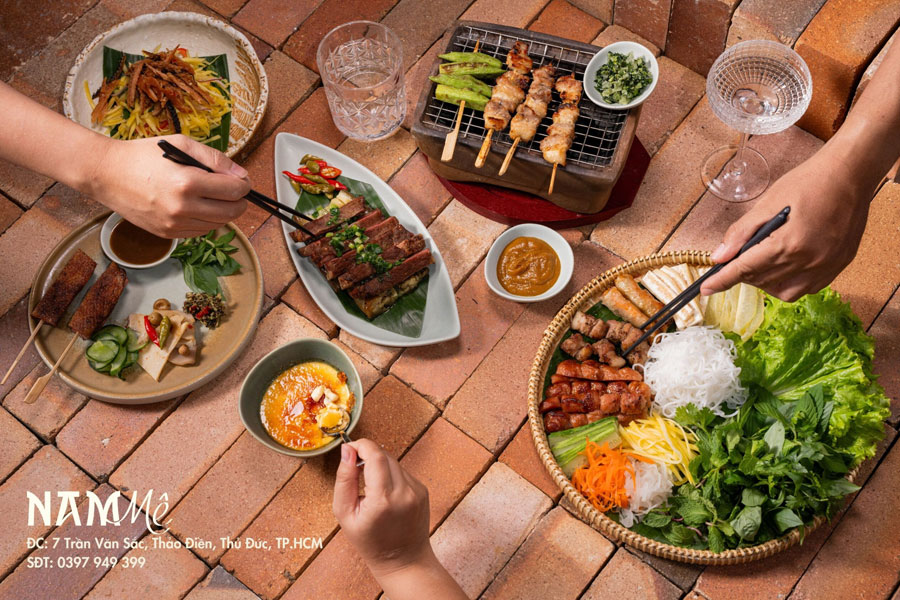
If you are wondering what food do they eat in Vietnam, the answer goes far beyond phở and bánh mì. Vietnamese people commonly eat rice, noodles, vegetables, herbs, fish, pork, soups and shared dishes, with flavors changing noticeably between Northern, Central and Southern Vietnam.
For travelers who want to explore Southern and Mekong food more deeply, Nam Mê Kitchen & Bar offers a creative dining experience inspired by the ingredients, traditions and food cultures connected by the Mekong River.
What Do Vietnamese People Usually Eat in a Day?
A typical day in Vietnam may begin with noodles, bread or sticky rice, followed by rice-based meals at lunch and dinner. The exact dishes depend on the region, household and schedule, but fresh vegetables, herbs, savory proteins and dipping sauces appear regularly.
What Do Vietnamese People Eat for Breakfast?
Vietnamese breakfast is usually practical rather than elaborate. Many people eat outside the home before work or school because small noodle shops and street stalls open early.
Common options include:
- Phở
- Bánh mì
- Hủ tiếu
- Bún
- Xôi
- Cơm tấm in Southern Vietnam
Breakfast can be light or filling, depending on the dish. A bowl of noodles may be followed by Vietnamese coffee, while bánh mì works well when someone needs a quick meal on the move.
What Does a Typical Vietnamese Lunch Look Like?
Lunch often revolves around rice accompanied by meat, fish, vegetables and soup. Office workers may choose an individual rice plate, while family lunches are more likely to include several dishes placed in the center of the table.
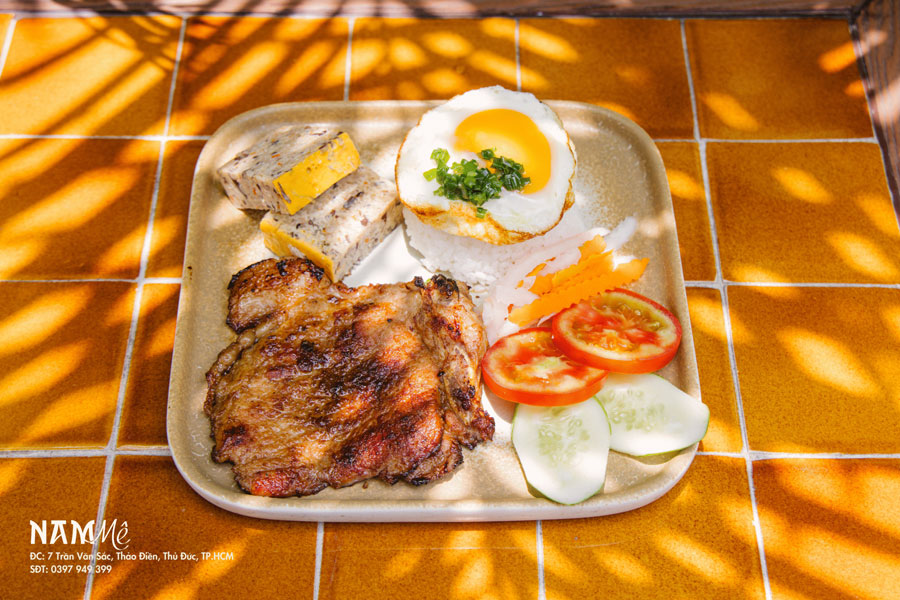
From street food to shared family-style meals in Vietnam
A simple meal might contain steamed rice, grilled or braised pork, sautéed vegetables and a light soup. The combination matters more than having one signature dish.
What Do Vietnamese Families Eat for Dinner?
Dinner is often the most social meal of the day. A family table may include rice, one savory main dish, vegetables, soup and dipping sauce.
Instead of ordering separate portions, everyone takes food from shared plates. This communal style explains why fish, hotpot, salads and vegetable dishes play such an important role in Vietnamese dining.
Which Foods Are Staples in Vietnamese Cuisine?
Rice, noodles, vegetables, herbs, fish sauce and fresh ingredients form the foundation of many Vietnamese meals. Different regions use these ingredients differently, but the same staples reappear across breakfast, lunch, dinner and street food.
Why Is Rice So Important in Vietnamese Cooking?
Rice appears in far more forms than a simple bowl of steamed grains.
Vietnamese cooks use rice to make:
- Steamed rice
- Broken rice
- Rice noodles
- Rice paper
- Rice flour pancakes
- Sticky rice dishes
This is why meals such as cơm tấm, phở, bánh cuốn and bánh xèo can feel completely different even though rice is central to each.
Which Noodles Are Common in Vietnam?
Vietnamese noodle dishes vary widely by region and preparation. Phở uses flat rice noodles, bún uses thin round rice noodles, while hủ tiếu may appear dry or in broth.
Travelers who spend time in different parts of Ho Chi Minh City will notice that noodle choices change from one neighborhood to another. Visitors deciding where to eat in Ho Chi Minh City District 1, for example, can easily combine noodle dishes with central sightseeing around Ben Thanh and Nguyen Hue.
Why Are Fresh Herbs and Vegetables Used So Often?
Fresh herbs give Vietnamese food much of its contrast and brightness. Mint, Vietnamese coriander, lettuce, bean sprouts and basil frequently accompany grilled dishes, noodles and rolls.
Vegetables are not merely decoration. They balance richer meats, fermented sauces and fried elements, creating meals that feel layered rather than heavy.
How Does Vietnamese Food Change From North to South?
Vietnamese cuisine changes significantly across the country. Northern food tends to be more restrained, Central Vietnamese cooking often uses stronger seasoning and chili, while Southern cuisine is known for fresh herbs, tropical ingredients and a slightly sweeter flavor profile.
What Is Northern Vietnamese Food Like?
Northern Vietnamese cooking is often associated with balanced seasoning, clear broths and subtle use of herbs.
Well-known examples include phở and bún chả from Hanoi. The emphasis is usually on clean flavors rather than heavy sweetness or intense chili.
What Makes Central Vietnamese Food Different?
Central Vietnam, especially Hue, is known for bold seasoning, chili and smaller dishes with strong visual presentation.
Bún bò Huế is one of the most familiar examples, combining a fragrant broth with lemongrass, beef and spice.
What Is Southern Vietnamese Food Known For?
Southern Vietnamese cuisine tends to use more tropical produce, herbs, coconut, freshwater fish and sweet-savory sauces.
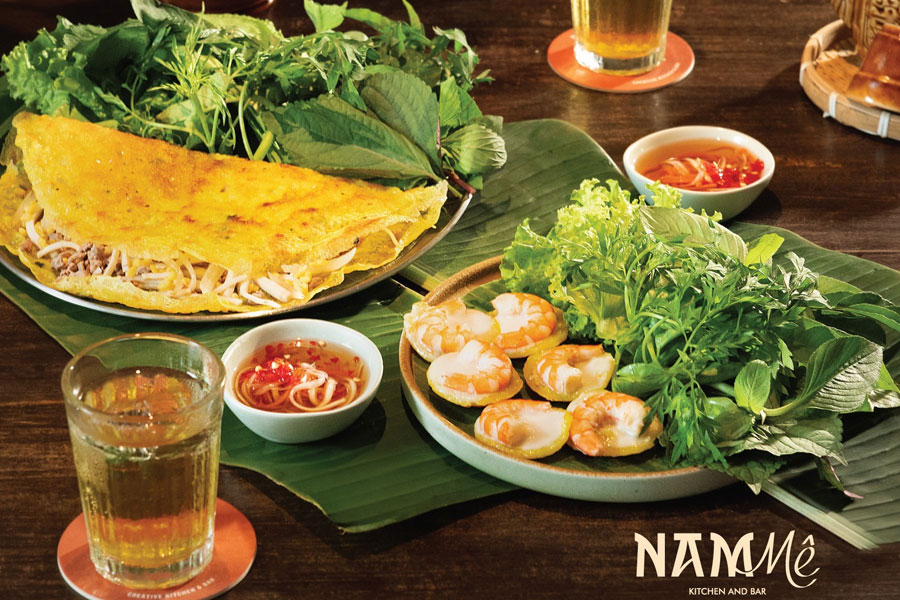
Discover the everyday flavors of Vietnamese cuisine
Ho Chi Minh City reflects this diversity particularly well. Travelers looking to eat in Ho Chi Minh City District 3 can find everything from cơm tấm and noodle shops to bánh xèo, local cafés and casual family-style meals.
What Foods Are Common in Southern Vietnam and the Mekong Delta?
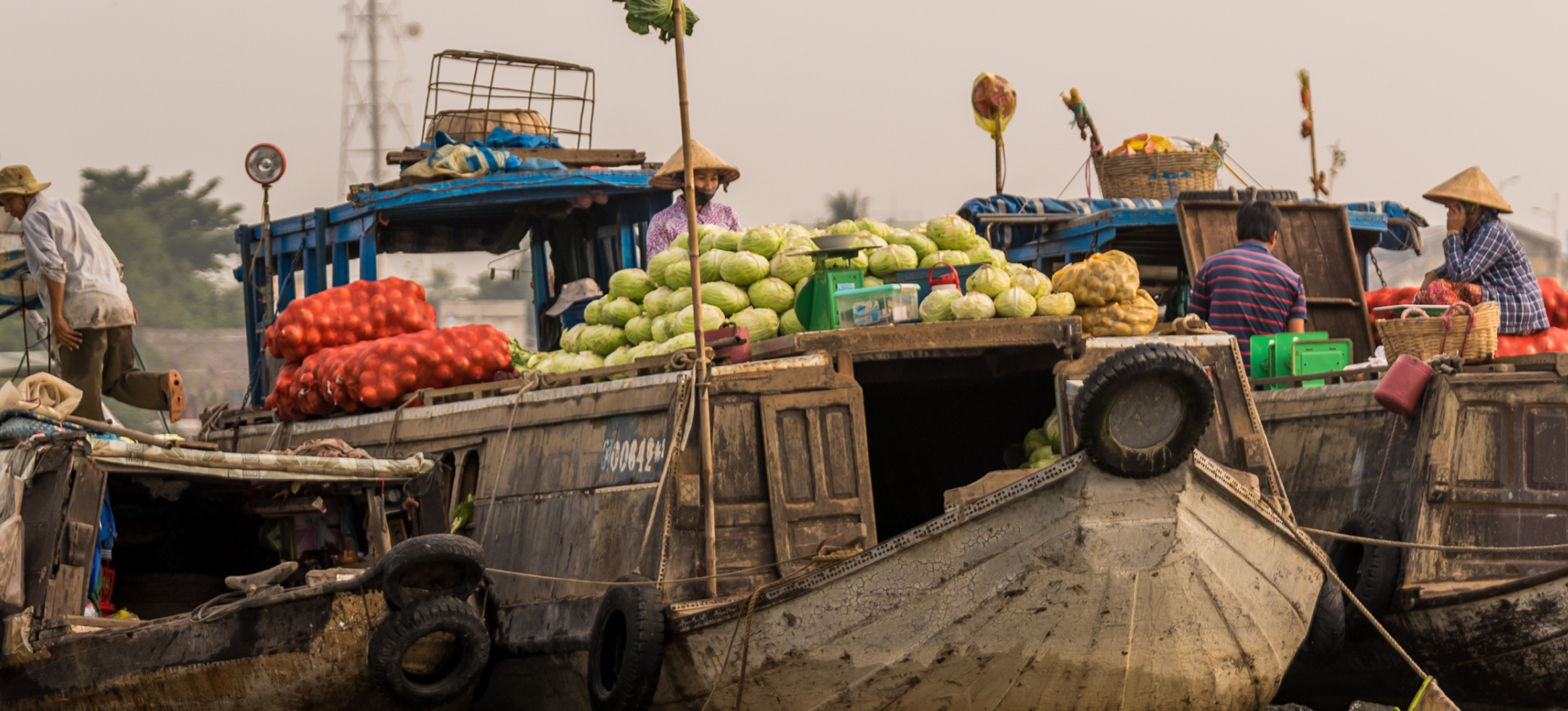
Mekong Delta cooking is closely connected to rivers, canals, freshwater fish, herbs and vegetables. Meals often feature ingredients that grow or are caught locally, creating a strong relationship between landscape and cuisine.
Why Are Fish, Herbs and Vegetables Important in Mekong Cuisine?
Freshwater fish such as snakehead fish and elephant-ear fish appear frequently in Southern Vietnamese cooking. Lotus stems, water mimosa and local herbs add texture and freshness.
Fermented fish also plays an important role, especially in hotpots and dipping sauces. These flavors are stronger than the dishes many first-time visitors associate with Vietnamese food, but they reveal another side of regional cooking.
Which Mekong Dishes Are Worth Trying?
Good examples include:
- Grilled snakehead fish
- Fermented-fish hotpot
- Bánh xèo
- Lotus stem salad
- Fried elephant-ear fish
- Sour soup
Travelers interested in a broader food journey can also explore this guide to places must eat in Saigon for ideas that go beyond the most familiar Vietnamese dishes.
Which Vietnamese Foods Should First-Time Visitors Try?
First-time visitors should start with approachable dishes before moving toward stronger regional flavors. Phở, bánh mì, cơm tấm and fresh rolls are easy introductions, while bánh xèo, hotpot and grilled fish offer a deeper look at how Vietnamese people actually eat together.
Which Dishes Are Easiest for Beginners?
A practical starting list includes:
- Phở
- Bánh mì
- Cơm tấm
- Gỏi cuốn
- Bún thịt nướng
These dishes balance familiar ingredients with distinctly Vietnamese herbs, sauces and preparation styles.
Which Foods Give a Deeper Look at Vietnamese Dining?
Once travelers are comfortable with everyday dishes, shared meals become more interesting.
Bánh xèo, grilled fish, sour soup, salads and hotpot introduce the communal side of Vietnamese food. These dishes make more sense when several people order together rather than treating every plate as an individual portion.
Why Is Shared Dining Important in Vietnamese Food Culture?
Shared dining turns a meal into a social activity. Rice, soup, vegetables, fish and meat are placed in the center, and everyone builds each bite from the same collection of dishes.
How Does a Vietnamese Shared Meal Work?
A balanced shared table may include:
- Rice
- One meat or fish dish
- A vegetable dish
- Soup
- A dipping sauce
- An additional salad or grilled plate
The exact combination changes by region and occasion, but the structure remains familiar across many Vietnamese households.
Which Foods Work Best for Sharing?
Bánh xèo, hotpot, grilled seafood, whole fish and salads are especially suitable for groups. These dishes encourage conversation and allow everyone to taste more than one flavor.
This is also why a longer restaurant dinner can reveal more about Vietnamese food culture than a quick individual meal.
Where Can Travelers Experience Mekong Cuisine in Ho Chi Minh City?
Travelers interested in Mekong cuisine do not need to leave Ho Chi Minh City immediately. Regional restaurants can introduce freshwater fish, herbs, salads, hotpots and shared dishes in a more comfortable urban setting.
What Makes Nam Mê Kitchen & Bar Different?
Nam Mê Kitchen & Bar builds its concept around creative Mekong cuisine. The restaurant draws inspiration from food cultures connected by the Mekong River and presents those ideas through contemporary dishes, shared plates and a setting designed for a slower meal.
The concept works particularly well for travelers who have already tried phở, bánh mì and cơm tấm and now want to understand how Southern and Mekong flavors fit into a broader Vietnamese dining experience.
Which Mekong-Style Dishes Can Guests Explore?
The food direction at Nam Mê Kitchen & Bar includes dishes inspired by Southern and Mekong ingredients, such as grilled fish, bánh xèo, regional salads, vegetables and shared mains.
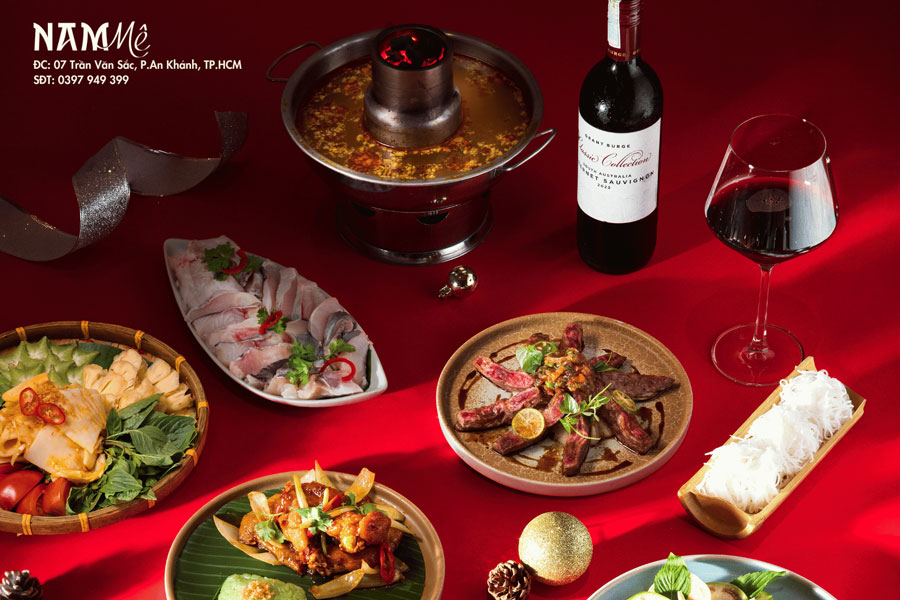
Explore Mekong-inspired flavors at Nam Mê Kitchen & Bar
Visitors who want to compare the atmosphere with other dining areas can also explore options to eat in Thao Dien District 2 before planning a longer evening in the eastern part of Ho Chi Minh City.
Is Nam Mê Kitchen & Bar Suitable for Groups?
Yes. Shared dishes naturally suit families, friends and larger gatherings. Nam Mê Kitchen & Bar also offers a party booking service for birthdays, business dinners, family celebrations and other group occasions that require more planning.
How Can Travelers Build a Simple Vietnamese Food Day?
A good food itinerary should not feel like a race. Combining meals with neighborhoods and sightseeing makes each dish easier to appreciate.
| Time | Suggested food |
| Breakfast | Phở, bánh mì or hủ tiếu |
| Mid-morning | Vietnamese coffee |
| Lunch | Rice with grilled or braised dishes |
| Afternoon | Fresh rolls or a local snack |
| Dinner | Shared fish, vegetables, bánh xèo or hotpot |
When Should Travelers Choose a Longer Dinner?
A longer dinner makes sense when food becomes part of the travel experience rather than simply a way to refuel.
Couples, families and groups can use the evening to explore shared dishes, regional flavors and a more relaxed setting after a day of sightseeing.
Nam Mê Kitchen & Bar – A Fun Taste of Mekong Cuisine
- Address: 07 Tran Van Sac Street (formerly Street No. 44), An Khanh Ward, Ho Chi Minh City
- Open Daily
- Monday to Friday: 8:00 AM – 2:00 PM, 5:00 PM – 10:30 PM (Closed from 2:00 PM to 5:00 PM)
- Saturday & Sunday: 8:00 AM – 10:30 PM
- Reservations: +84 39 794 9399

Chọn Mê kông là bến đỗ để tìm kiếm nguồn cảm hứng nguyên bản, Nam Mê làm bạn với người bản địa, hoà mình vào lối sống của miền sông nước, của những đồng bằng trù phú. Dòng Sông Mekong dài 4900km và chảy qua 6 quốc gia Việt nam, Lào, Campuchia, Thái Lan, Myanmar, Trung Quốc.
Menu ẩm thực của Nam Mê lấy cảm hứng từ bấy nhiêu quốc gia để sáng tạo các món ăn độc đáo. Như nhà thám hiểm ưa khám phá, gom tinh hoa thành khối sống căng tràn, mang trở về căn bếp để tạo ra những món ăn gửi tới thực khách – những người Nam Mê mong chờ được gặp mặt để gửi tới những món ăn đặc sắc.
